
Accessible Theatergoing in San Diego: Planning Tips for Every Guest
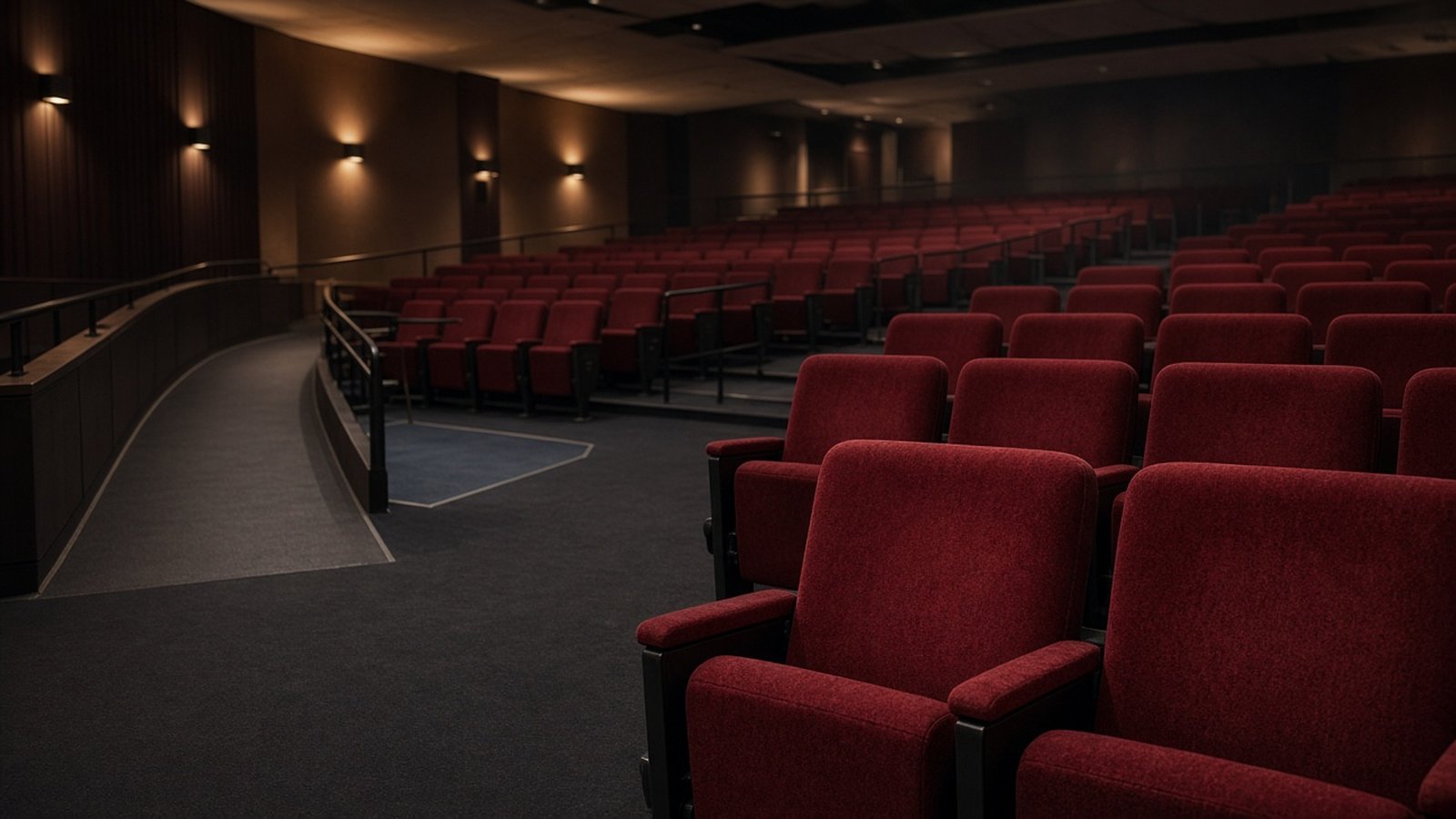
Live theater should be for everyone. Whether you use a wheelchair, have hearing or vision loss, experience sensory sensitivities, or are simply bringing an older relative who needs an easier route to their seat, a little planning can make a night at the theater comfortable and enjoyable.
Many San Diego theaters and performing arts venues offer accessibility services, but what is available varies from venue to venue and sometimes from performance to performance. This guide explains what to look for, what to ask, and how to plan ahead so you can focus on the show.
Start with the venue's accessibility information
Most theaters publish accessibility information on their websites, often on a dedicated page or within their visitor information. Look for details on:
- Accessible seating locations and how to book them.
- Step-free entrances, elevators, and accessible restrooms.
- Assistive listening devices.
- Captioned, audio-described, sign-interpreted, or sensory-friendly performances.
- Policies for companions, service animals, and mobility aids.
- Accessible parking and drop-off points.
If the information is unclear or incomplete, contact the box office directly. Staff can usually answer questions and note your needs on your booking.
Questions to ask the box office
- Which seats are wheelchair-accessible, and are companion seats available next to them?
- Are there aisle seats or seats with extra legroom for guests who use mobility aids or have difficulty with stairs?
- Is there step-free access from the entrance to the seats, restrooms, and concessions?
- Are assistive listening devices available, and how do I borrow one?
- Are any performances captioned, sign-interpreted, audio-described, or sensory-friendly?
- Where is the nearest accessible parking or drop-off point?
- Can I bring a seat cushion, medication, or food I need for medical reasons?
Ask these questions when booking rather than on the night, since some services need advance notice.
Mobility and seating
Accessible seating can sell out for popular performances, so book early. If you can transfer from a wheelchair to a theater seat, ask whether staff can store your wheelchair during the performance and return it at intermission and the end of the show.
For guests who walk with difficulty, the location of seats matters as much as the view. Rows near an entrance, aisle seats, and seats that avoid long staircases can make a big difference. Ask about the route from the entrance to your seat, not just the seat itself.
Hearing access
- Assistive listening systems: Many venues offer devices that amplify sound from the stage. Some systems work with hearing aids or cochlear implants.
- Captioned performances: Some productions offer open captions displayed near the stage or personal caption devices.
- Sign-interpreted performances: Certain performances may feature sign language interpreters. Ask about seats with a good view of the interpreter.
- Scripts in advance: For plays, reading the script or a synopsis beforehand can help you follow the dialogue.
Vision access
- Audio description: Some performances offer live audio description through a headset, describing action, costumes, and sets.
- Touch tours: Occasionally, venues offer pre-show tours where guests can explore set pieces, props, or costumes.
- Accessible programs: Ask whether programs are available in large print or digital formats.
- Service animals: Check the venue's policy and let the box office know so they can suggest suitable seats.
Sensory-friendly performances
Sensory-friendly or relaxed performances are designed for audiences who may be sensitive to loud sounds, bright lights, or the expectation of sitting still and quiet. They are often helpful for autistic guests, people with sensory processing differences, and families with young children. Typical adjustments include lower sound levels, softer lighting changes, house lights kept partly on, and a relaxed attitude to movement and noise. Some venues also provide quiet areas outside the auditorium.
If no relaxed performance is available, choose seats near an exit so you can step out easily if needed, and consider a matinee when venues may be calmer.
Getting there
- Plan accessible parking or drop-off and confirm its location before the day.
- Allow extra time for parking, entry, and finding seats, especially at large venues or busy events.
- Check transit accessibility if you plan to use public transportation.
- Consider crowd timing. Arriving early avoids the rush, and waiting a few minutes after the show lets crowds clear.
Outdoor and historic venues
Outdoor venues and older historic theaters can present particular challenges, such as uneven paths, slopes, or limited elevator access. Do not let that put you off, but do ask specific questions. Our guide to outdoor theater in San Diego has more tips for open-air performances, and our overview of San Diego theatre venues can help you choose where to go.
Preparing first-time or anxious theatergoers
For some guests, knowing what to expect is the most important accommodation of all. Look at photos of the venue online, read a synopsis of the show, and talk through the evening in advance: where you will enter, where the restrooms are, when intermission happens, and how to step out if needed. Some venues publish visual guides or social stories for relaxed performances, so it is worth asking.
Speak up on the night
Front-of-house staff and ushers are there to help. If something is not working, such as an assistive listening device or a seat that is harder to reach than expected, let them know right away. Afterward, constructive feedback helps venues improve for future guests.
For first-time theatergoers, our guide to theater etiquette explains what to expect from arrival to curtain call.
Frequently asked questions
How do I book wheelchair-accessible seats?
Many venues let you select accessible seats online, but calling the box office is often the best way to confirm your needs and companion seating.
What is a sensory-friendly performance?
It is a performance adapted with gentler sound and lighting and a relaxed attitude to movement and noise, designed for guests with sensory sensitivities.
Do theaters provide assistive listening devices?
Many do. Ask the box office or front-of-house staff how to borrow one, and whether it works with your hearing aid.
Can I bring a companion to help me?
Most venues accommodate companions. Ask about companion seating when you book.


